Clinical study confirming the ease of use and reproducibility of the Fine Birth device in diagnosing threatened preterm labor. American...
CerviSense provides actionable assessment across the entire pregnancy journey
It enables healthcare professionals to make faster, more accurate decisions in critical obstetric scenarios.
One probe, three clinical applications
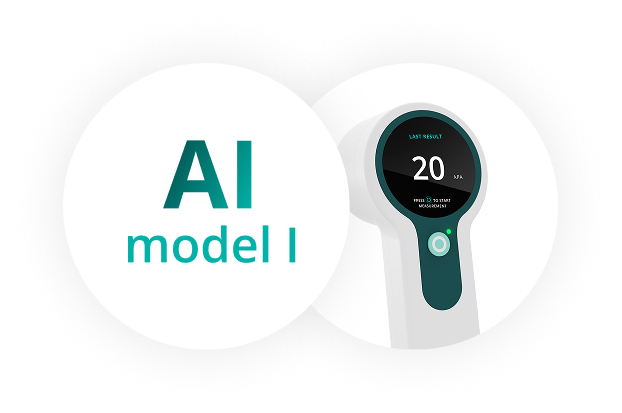
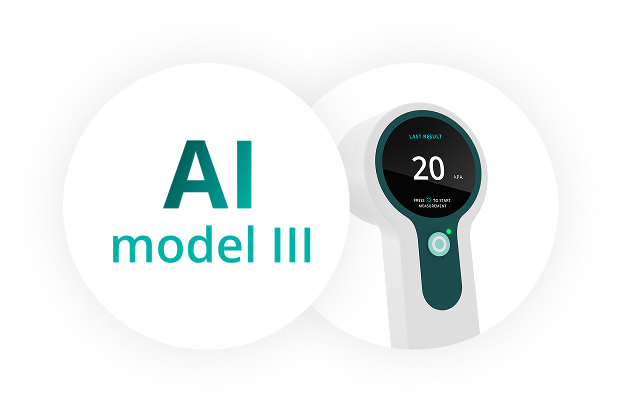
A single probe, powered by condition-specific AI models, analyzes cervical consistency to support obstetric assessments.
Spontaneous preterm labor
Threatened preterm labor
Induction of labor
Obstetricians have always felt cervical consistency with their fingers
For the first time, it can be measured, compared, and tracked objectively across patients and visits.
Hardware precision
Torsional waves capture the cervix’s biomechanical signature using a proprietary torsional wave transducer.
Standardized acquisition
The same technique delivers the same output regardless of the operator, with automatic and consistent data transfer.
Quantified consistency
Objective data replaces the variability of vaginal examination, supported by a touchscreen that guides the clinician step by step.
Are the results reproducibles across users?
Is the predictive capacity better than the current gold standard?
Clinical studies
| Study | Country / Region | Patients | Status |
|---|---|---|---|
| FB-CT2 Pivotal Study (Threatened Preterm Labor) | Spain & Germany | 457 | Ongoing |
| QEPS (Spontaneous Preterm Labor) | United Kingdom | 1,000 | Ongoing |
| MATERN-AID (Induction of Labor) | Sweden | 500 | Preparation phase |
| Project HOPE | Senegal, Cameroon, Nigeria, Congo DR | Not specified | Preparation phase |
- CerviSense science
Initial safety evaluation showing elastography poses no adverse effects on hearing, growth, or immediate newborn health outcomes.
Preliminary clinical study demonstrating the feasibility of measuring cervical elasticity in pregnant women using torsional wave technology.
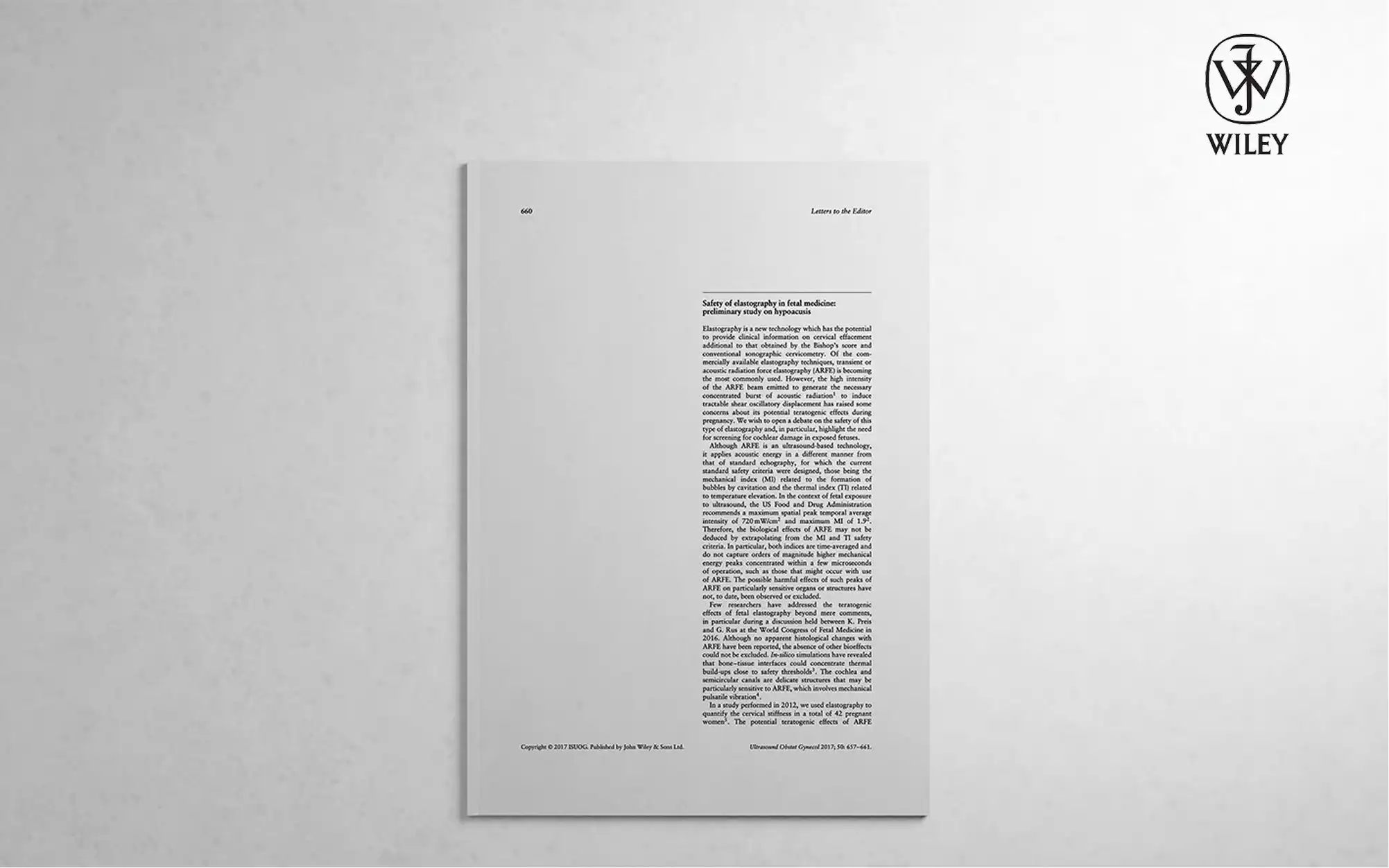
Preliminary safety assessment indicating elastography does not increase risk of hearing loss in fetuses.
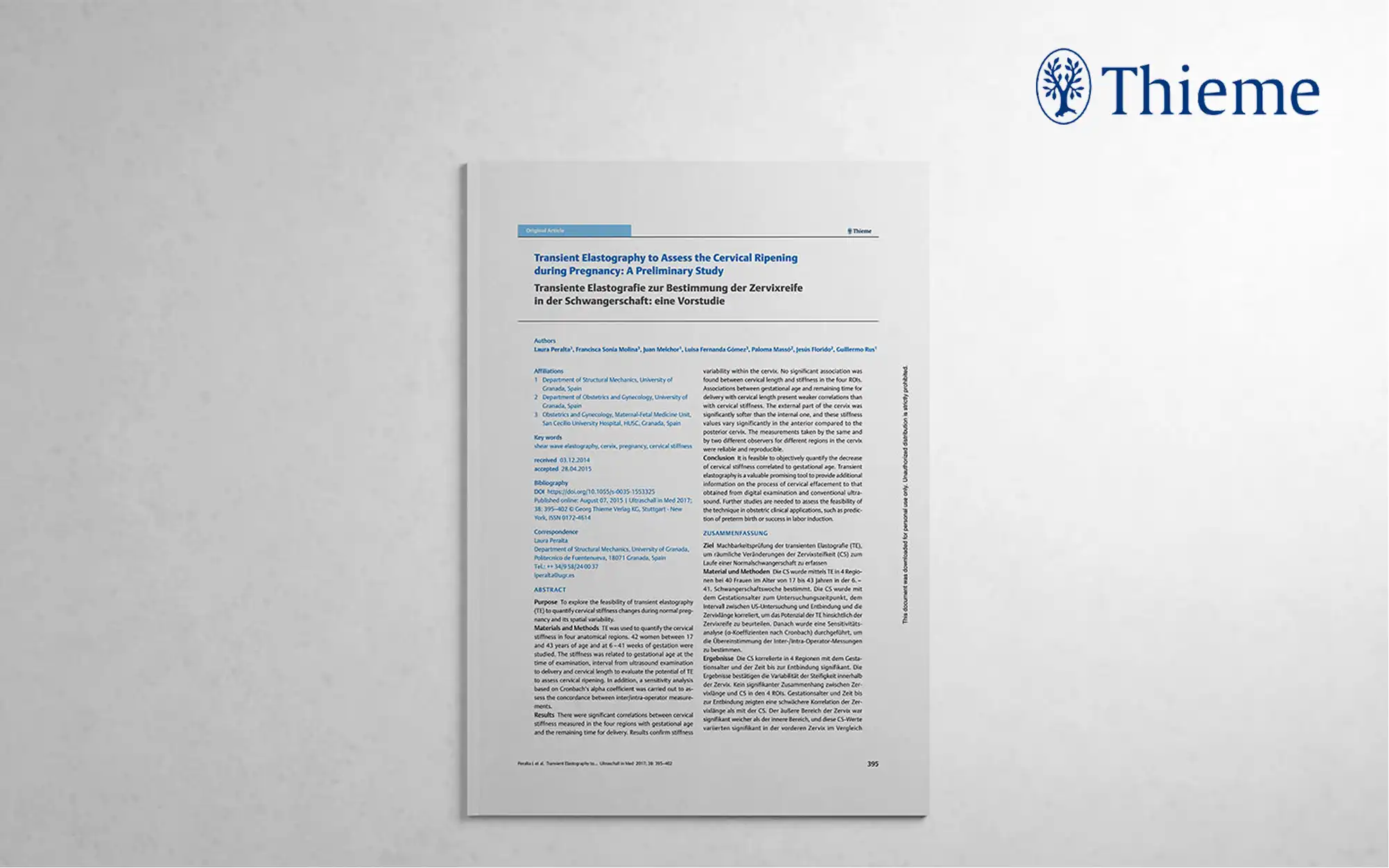
Early investigation using transient elastography to monitor cervical ripening in pregnant women.